Advocacy

North Avenue Rising: Let's Make it Better!

Baltimore Plans to Improve West North Avenue

This post has been updated to reflect additional information received by Bikemore after publishing.

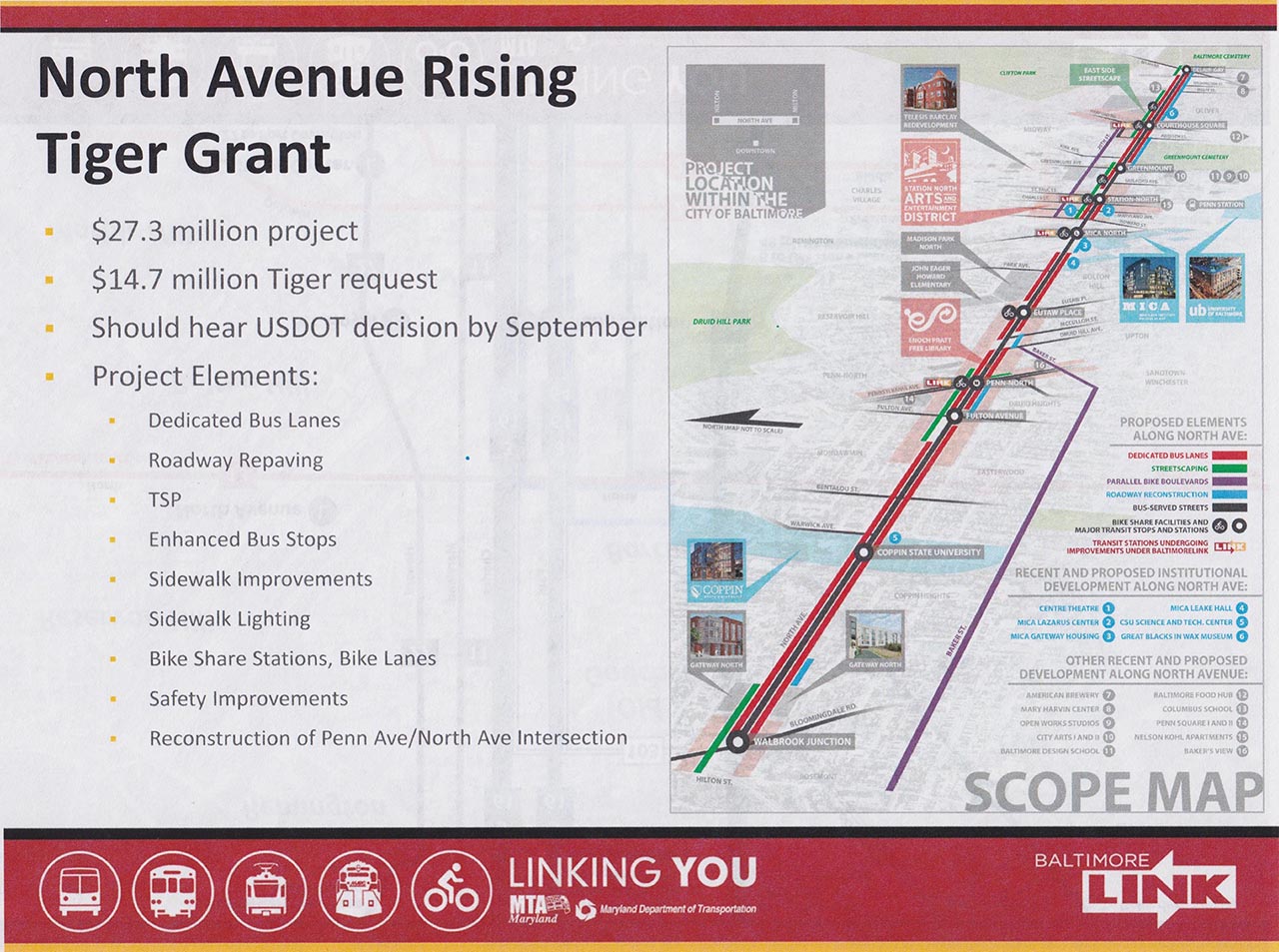
Earlier this week, Senator Mikulski’s office announced Baltimore’s receipt of a $10,000,000 TIGER Grant for roadway improvements to North Avenue.

The project application, entitled “North Avenue Rising,” was submitted by the Baltimore City Department of Transportation and Maryland Department of Transportation including the Maryland Transit Administration. 

The $10 million in federal funding is being matched by $14.7 million of state funding, $1.6 million in already-committed FHWA funding, and $1 million of Baltimore City funding.

The bulk of the $27.3 million project, $8.9 million, will focus on sidewalk and crosswalk improvements. Investments in transit infrastructure including bus stop shelters, transit signal priority at intersections, investments in the Penn/North Metro Station, and dedicated lanes amount to about $7.5 million. Funding for bicycle infrastructure makes up less than $1 million.

Current Plans Have Flaws

While early in design, the project as currently scoped has major shortcomings. Dedicated bus lanes stop and start through parts of the project, because Baltimore City Department of Transportation does not want to fully prioritize bus service over private automobiles along the corridor. There are bike share stations planned for key intersections, but there are no dedicated bicycle facilities planned for North Avenue in the project. While the dedicated bus lanes will be signed as shared with bikes, other infrastructure is relegated to stretches of parallel facilities that are sometimes several blocks away.

This contradicts the 2015 bicycle master plan, which calls for North Avenue to be a “main route” for bicycles, requiring dedicated, protected bike lanes. It also contradicts a multi-year collaborative community design process undertaken by the Neighborhood Design Center, which culminated in 2015. That plan also calls for protected bicycle facilities along much of West North Avenue.

These improvements alongside dedicated transit lanes would further reduce personal vehicle travel lanes or parking, and Baltimore City Department of Transportation was unwilling at the time of project submission to sacrifice convenience of personal automobile users to accomodate safe, protected lanes for people who bike alongside fully-dedicated transit lanes throughout the corridor.

Through Advocacy, We Can Fix the Flaws

Luckily, it is not too late to improve the North Avenue Rising plan. North Avenue has significant right-of-way, and advocacy for expanded funding of this project and true prioritization of transit and bicycles as required by our complete streets policy, and as outlined in our master plans, could allow for fully-dedicated bus lanes along the corridor adjacent to dedicated bicycle facilities. 

An offset bus lane street (NACTO)

Additional personal vehicle lane reduction or reduction of some parking along North Avenue would allow for design of an Offset Bus Lane Street with dedicated, parking or flex-post protected bicycle lanes. This treatment is endorsed by the National Association of City Transportation Officials (NACTO), of which Baltimore is a founding member.

A median rapid transit corridor (NACTO)

Additional personal vehicle lane reduction or reduction of some parking along with additional funding would allow for a true dedicated Median Rapid Transit Corridor for the widest portions of North Avenue. This treatment would include protected bicycle facilities and a curb-separated right-of-way for transit operations, improving bus speed and reliability while allowing for a future upgrade to rail transit on the North Avenue corridor.

Additional funding should should be leveraged by this grant award to make it a truly great project for Baltimore. The TIGER grant money should not be used for routine resurfacing, instead it should be used to bolster this project's innovation in biking, walking, and transit design. Governor Hogan can pay for the overdue resurfacing of a state marked highway, like he is doing in every other county in Maryland.

Bikemore wants to see North Avenue rising.

>33% of households are zero car in pink areas. >66% of households are zero car in red areas.

Neighborhoods along the project corridor have some of the highest rates of households that lack access to a car in Baltimore City. Dedicated transit lanes will make buses faster, more convenient, and more on-time on this critical transportation corridor. Protected bike lanes will allow people to safely use bike share while calming traffic and making the street safer for people who walk. There is no reason to prioritize personal automobile throughput over the safety and convenience of neighbors and people who walk, bike, and take transit on this corridor.

Agencies involved in this project are open to our recommendations, and we look forward to working with them to advance a vision for North Avenue that truly promotes biking, walking, and taking transit. But more advocacy around complete streets is clearly needed, because a project that does not completely consider and include all modes should not be constructed, and we should not accept a political climate unwilling to include adequate design for biking in project submission.

This is a great opportunity to make one of the only wide roads in Baltimore functional for all users, and a mistake in infrastructure here will have to be endured for years to come. We must get to a place where our city prioritizes people over personal cars by default, not as an afterthought.

As this project continues to develop, we will notify you of ways to get involved and ensure we get the best possible design for people who bike, walk, and ride transit. 

Donate to Bikemore

Better Bike Parking for Baltimore

Secure bike parking encourages bike ridership. Not knowing if there will be a safe place to lock up can mean the difference between riding your bike or choosing some other means of transport. 

This year, thanks to a generous donation from People for Bikes and a partnership with Baltimore City Department of Transportation, we are launching a campaign to install 100 more bike racks in places that need them the most before Fall 2016. 

Baltimore City has been offering free bike racks and installation for a few years, but the request process was clunky, inefficient and frequently led to poor communication and really long wait times. 

Bikemore has created an easy to use, mobile friendly site that will simplify the request process. By taking the lead on submissions, we can also track the time DOT takes to install the racks and create a layer of accountability. 

Our plan is that no one will have to wait more than six weeks to see their rack installed. 

Additionally, we want to make sure that these racks are made available to the places and businesses that would not otherwise be able to afford a rack. Businesses of all types should note that if you purchase your own rack, you can also request the city install it for a small fee. This fee--depending on the surface and demand may even be waived. 

Our Plan: 

  • Model an efficient, mobile responsive request system. 
  • Launch a summer long marketing campaign to ensure that businesses and schools in neighborhoods underserved by bike parking and DOT outreach have access to the free racks. 
  • Educate residents on effective bike racks and locking techniques that deter theft. 
  • Advocate for city bike rack requests to be integrated into the 311 system by Fall 2016. 

How can you help? 

Is there a business or school you frequent that you wish had better bike parking? When visiting, direct the owner of the business to the form using your smart phone. (our east to remember URL? bikemore.net/bike-parking) Help them complete the application. It’s important that the point of contact on the request form is the person that has the decision making powers on the property where the rack is requested. 

Share on social media. The more people that know about this process the better! 

Join our bike parking STREET TEAM. We will be scheduling a time later this summer to canvass or call business or schools in need of bike parking and offering to assist them with completing the request form. 

Interested in learning the proper way to lock a bike, and ensuring you selecting the most secure rack to lock to? We love this article from our friends at Sacramento Area Bicycle Advocates. Not all bike racks are equal, so educate yourself on which ones are best, and let's get some BETTER BIKE PARKING for Baltimore! 

Bikemore Response to Fatal Crash in West Baltimore

On Wednesday, June 8th at approximately 1:34 pm, a 25 year old male riding a bicycle was struck and killed by a person driving a Honda Odyssey. According to initial reports, the person riding a bicycle was traveling southbound on North Gilmore Street, and the person driving the Honda was traveling Westbound on Edmondson.

Anytime a motor vehicle collision causes a fatality, the CRASH team begins an investigation. They then turn their findings over to the State's Attorney's office at which time it is determined whether or not charges will be filed. 

No further information regarding this tragic incident has been made available. 

While we won't know the exact cause of the crash until further details are released, we do know that reducing vehicle speeds greatly improves the chance of survival for vulnerable road users like people walking and people biking. While many factors may have contributed to the crash, one thing--vehicle speed at impact--caused a tragic loss of life. 

At Bikemore we are working toward policy changes that will fundamentally change how we move in this city. But most importantly we are demanding our streets be made safer for all road users--in all neighborhoods, now. Traffic calming like speed humps or roundabouts, signal timing, narrowing travel lanes by adding additional facilities like protected bike lanes are all methods for reducing vehicle speed. We can build safer streets, we just need the political will to do it. 

Many have asked if we will be leading on memorializing the person who was killed. If Bikemore were to take the lead we would be most comfortable doing so only after we know the identity of the victim and have had a chance to reach out to the family and neighboring community to receive their blessing. We understand and respect the symbolism that ghosts bikes have for the cycling community and obviously wouldn't stand in anyone's way that wanted to act independently to place something in memorial. But as Bikemore, we have a larger objective of building up healthy neighborhoods and peoples positive feelings towards bicycling. Our outreach in this neighborhood has been weak, a product of limited resources and being a relatively new organization--and we don't want our first act to be one that doesn't include the neighborhood in the process. So we are waiting until more information is available to decide what is the best course of action to both honor the victim and continue raise awareness of this very sad event. 

Be vigilant, be safe. 


Stop Signs Halt Progress on Guilford Avenue Bike Boulevard

This Saturday Baltimore City DOT will close down 32nd street and Guilford Avenue from 7am to 3pm to remove a debated traffic circle at the busy intersection. Neighbors complained that the small traffic circle did little to slow heavy traffic, and made the intersection unsafe for pedestrians. 

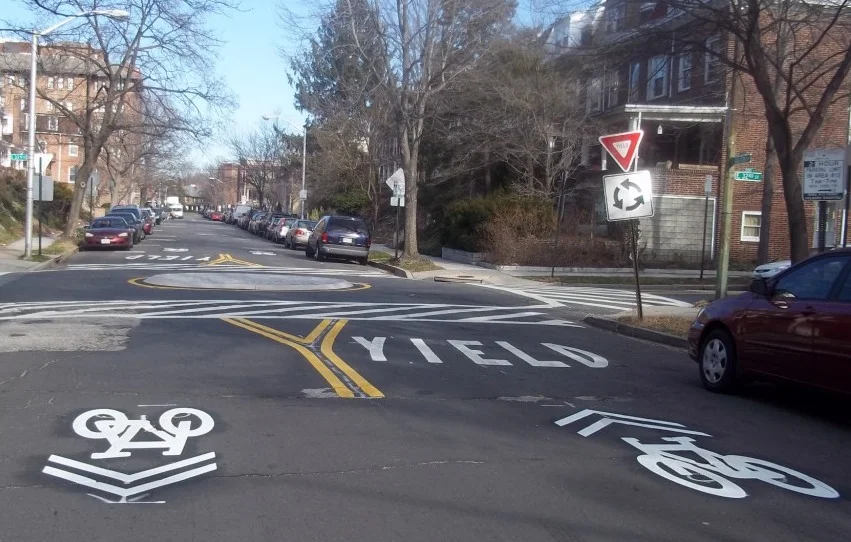
Guilford Avenue received a bike boulevard treatment in 2011. The treatment included traffic circles at various intersections, sharrows, and bike friendly speed humps throughout the avenue from University Parkway to Mt. Royal Avenue. Even in its imperfect state, the low stress route has become a popular and necessary north/south connector for bicyclists, with ridership increasing dramatically on the corridor after installation and growing annually since. There was always talk about adding various improvements, but little was added after the first phase of construction. 

When community meetings were first held in 2010, residents were shown photos of similar traffic calming treatments from around the country. Circles featured vertical treatments like plantings or sculptures. As neighbors began taking ownership of these new public spaces, DOT responded by banning any vertical treatments citing safety issues with emergency vehicles being able to pass through intersections. This policy decision grossly undermined the effectiveness of the circles. 

32nd and Guilford Traffic Circle 

32nd and Guilford Traffic Circle 

A traffic circle in Minneapolis on a similar sized street to Guilford Ave

A traffic circle in Minneapolis on a similar sized street to Guilford Ave

32nd Street leads to a very popular pocket park just East of Guilford Avenue. Pedestrian safety is paramount, as many families in the neighborhood walk through this intersection during the evening rush hour to play in the park. East bound car commuters like to use 32nd Street as a cut-through to avoid waiting on the light cycle at 33rd Street and Greenmount Avenue. 

When several members of the Abell Community Association reached out last summer to get Bikemore's opinion on solutions to the unsafe intersection, we made the following recommendations to DOT: 

  • Remove four parking spots to increase the size of the crosswalks and re-stripe larger crosswalks to improve visibility. 
  • Create vertical elements and reflective signage in the traffic circle so that these visual elements slow traffic. 
  • Create a concrete "channel" or small median leading up to the circle that makes the turning radius narrow and expands the footprint of the circle, again slowing traffic. 
  • Install bike friendly speed humps (humps with small channels for bikes to pass through) leading up to the intersection in all directions. 

Despite DOT staff supporting our recommendations, and working with us to remove the policy that restricted vertical elements in the circle, several neighbors chose to instead advocate for removal of the circle and installation of a four-way stop.

Bikemore attempted to persuade these neighbors to reconsider by offering a small grant to assist with adding plantings to the circle. We have since learned that these neighbors held a meeting in the field last fall with Councilwoman Mary Pat Clarke and Former DOT Director William Johnson, where they demanded removal of the circle and installation of the four-way stop. Councilwoman Clarke was not made aware by these neighbors or Director Johnson that a different treatment was recommended by Bikemore and DOT's traffic and bicycle staff.

While we worked to stay informed about the project through December, communication from DOT eventually dropped off. 

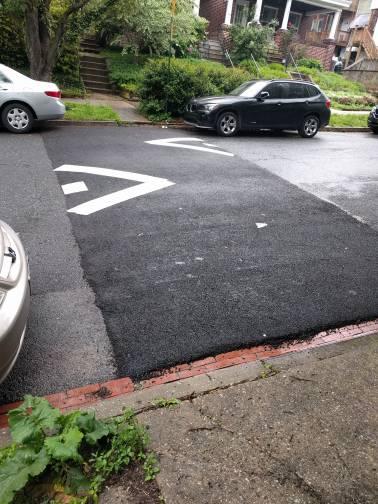
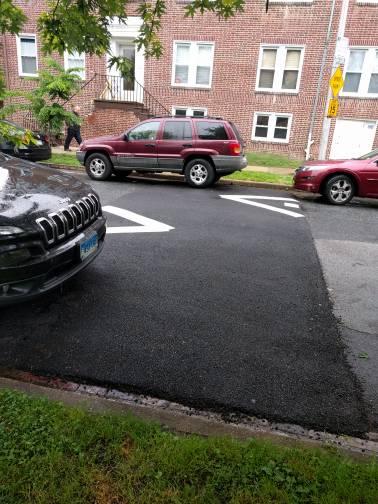
So you can imagine our surprise when a few weeks ago four new stop signs were installed. This countered our recommendations to maintain the spirit of the bike boulevard, while addressing residents' very valid concerns of pedestrian safety and traffic speeds. Furthermore, not being able to review plans and weigh in on changes to one of the city's only decent bike facilities felt like a slap in the face--especially when the direction of this project could have been easily raised in any of the multiple meetings we've had with employees involved since we last spoke about it in December. 

In so many ways 2016 is truly the Year of the Bike in Baltimore. Construction begins on Maryland Avenue and many additional elements of the Downtown Bike Network in late June. Bike Share will launch this fall. The city keeps pursuing--and winning--grant dollars for projects to improve bike connectivity. So why insist as an agency on taking two steps back with each step forward? 

According to an email we received from Councilwoman Clarke, neighbors in the Abell Community advocated for bike friendly speed humps in conjunction with the four way stop, and of course as seen in the photos of the new treatment, standard speed humps were installed. DOT cannot even use their standard excuse of responding to neighborhood pressure, because even the neighbors didn't get exactly what they requested. 

If DOT continues to make decisions that either don't consider neighbors' concerns, or only listen to a vocal minority, decisions that ignore our city's complete street policy, that erode hard won trust between the biking community--which public are they serving? 

This is why it is absolutely critical we begin to codify and enforce transportation policy that prioritizes the safety of human beings over car traffic throughput. It is essential we develop ways our Mayor and City Council can hold DOT employees accountable when they willfully ignore the requests of Baltimore residents.

They made a choice to prioritize four personal car parking spaces over maintaining one of the only comfortable bike facilities in our city, used by hundreds of riders daily. They made a choice to not give the neighborhood the best design available by listening to a vocal minority, and then failed even that vocal minority by not installing the specific facility they requested because of apathy and unwillingness. And because of these choices, those walking through the intersection were not given the best possible solution for improving pedestrian safety. 

Want to let DOT and Councilwoman Mary Pat Clarke know you'd prefer to see improvements to bike infrastructure versus removal? 

Use our handy email tool and say your peace with just a few clicks. 

New Police Deployment Begins Today on Guilford and Mt. Royal

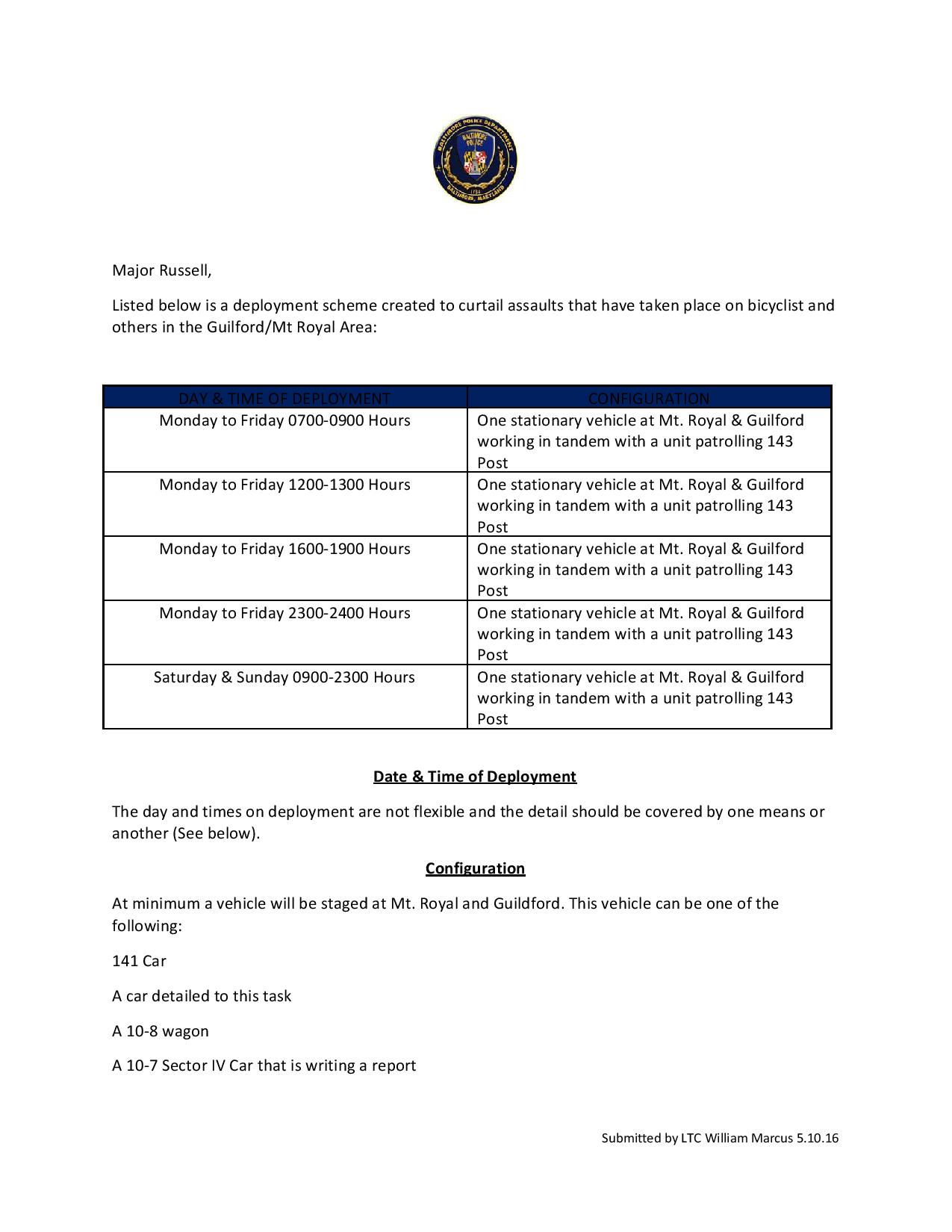
In response to a recent uptick in assaults on people walking and biking in the Greenmount West neighborhood, Baltimore City Police have issued an order for increased police coverage for the next thirty days. Bikemore has been working closely with Baltimore City Police for months to bring awareness to this public safety issue, and are pleased to have seen a lot of engagement and action on their part in the past few weeks. You can view the new deployment plan below. 


We have also learned that arrests have been made this week in connection to a recent assault of a Greenmount West resident that was caught on video. It is believed those responsible were also involved in the recent assaults of people riding bicycles. 

Public safety is a critical element of a healthy, livable neighborhood. And while the issue of public safety is so much bigger than bikes, Bikemore has an important role to play in demanding our neighborhoods be safe places to walk and bike. 

As bike riders, it is important we take the time to report incidents of assault or attempted assault. Creating a record of a pattern of violence is critical to getting resources directed to the neighborhoods that need them. We recognize that response wait time, treatment by officers, or the fact that many of the perpetrators are youth may cause some to decide not to report these incidents. Add to that the complication of often having to report a crime in a different district than where the crime took place because that bike rider rode to safety, and reporting can seem fruitless. But after weeks of meetings, the major take away we at Bikemore heard is that we have to report to get the resources we need. 

Some important things to keep in mind if you are ever a victim of an assault or attempted assault: 

1. Ride to a safe place

2. Call 911 and request to report an assault. 

3. Note the responding officers names. Write it down. Also request your incident number so you can reference it later when requesting a copy of your police report. 

4. If the responding officers are not treating you with respect, or it appears they are not actually taking a written report (good indicators include not asking for your name, being dismissive of charges, offering unhelpful advice like telling you not to ride alone or at night) you have the right to request that a supervisor come to the scene and take your report. If you don't feel comfortable doing this at the time, document their name and badge number and communicate this information to Bikemore. We can alert supervisors and demand retraining of patrol officers that do not take these assaults seriously.  

5. Seek support from the bike community. Being a victim of assault can be traumatizing. Ask friends to ride with you for a few days until you regain your comfort biking alone. Don't put a time limit on how long it might take you to feel comfortable riding again--it's a personal choice. Seek professional counseling if the trauma becomes too much to handle on your own. 

As a community we need to support and embrace our bike riding youth. We need to be able to parse out the differences from children riding bikes, and children prone to committing crimes while riding bikes. We have to work diligently to give our city's youth viable alternatives to crime and violence. We need to speak up when conversations about violence turn into coded conversations about race and class. We need to support organizations whose mission is to directly support youth in our city. 

This is not an issue that has an easy solution, but we are committed to remaining engaged with neighbors, police, and lawmakers as a partner working toward improved safety of all neighborhoods in Baltimore. 

Ride safe.