When Plans Fall Short, We Say No to Projects that Put People on Bikes in Harm’s Way

Baltimore County recently released information regarding its latest bike planning project called the Towson Spokes Bicycle Improvement Plan. This past week, alongside our statewide advocacy organization and partner Bike Maryland, we notified County Executive Kamenetz that Bikemore will be opposing the plan in its current form. While communities across the country are working to implement policies and design that work toward zero traffic deaths through Vision Zero initiatives, Baltimore County continues to have zero vision when it comes to what safe bicycling facilities can be.

Here are our concerns:

  • Baltimore County is investing zero local dollars toward improvements. The plan is funded through the Maryland Department of Transportation Bikeways program. This program has enabled local communities to plan, design and construct new bike projects across the state to encourage more people to bike, which reduces car traffic congestion and increases the quality of life for those areas. Communities across Maryland have contributed local dollars to make their Bikeways projects better. Baltimore County contributes no local match thus providing the bare minimum improvements which amounts to traffic sign clutter.

  • The plan does nothing to increase comfort or safety of road users. We know that separate bike facilities increase safety of all road users and encourage more people to ride bikes for short trips. Where the plan does employ the use of painted bike lanes, these lanes place the rider unprotected along multiple lanes of car traffic at speeds in excess of 35 mph. Where the lane ends, people on bikes are forced to merge with high speed traffic. We believe with more thoughtful planning, many of these issues could be addressed. Bikemore cannot support any project that endangers lives just to stay under budget.

  • The County created these plans in a vacuum. This project’s concept originated with Towson residents and members of the Baltimore County Pedestrian and Bicycle Advisory Committee (PBAC). The Towson Spokes Plan was then designed by county staff without any further input from PBAC or local bike advocates, many of whom are transportation planners and engineers. PBAC members asked to review the plans before voting on funding approval, but were denied. A request to review the plans before public release was ignored by county staff. These actions negate the purpose of an ‘advisory’ committee and contribute to an atmosphere of mistrust with county staff.

We invite the Bikemore Community to TAKE ACTION by doing the following:

Bike Riding Shines a Light on Inadequate Policing

Riding a bike can make you vulnerable, but compared to other risks we engage in on a daily basis, it is statistically as safe as walking down a flight of stairs. But the perceived risk often feels much greater, and it is ultimately what stops most people from choosing to ride a bike. In Baltimore, while infrequent, the threat of a robbery or an assault is real, particularly in the areas of town where popular bike routes pass through like the Guilford Bike Boulevard, Falls Road, and the Gwynns Falls Trail.

This week, an Op-Ed by Connor Meek appeared in the Baltimore Sun and told his story of being assaulted on the Gwynns Falls Trail, having his bike stolen, and his deplorable encounter with Baltimore City Police in attempting to report the crime.

Within one day of the Op-Ed appearing, Baltimore Police have now updated their policy to ensure all stations will be open 24 hours a day. We commend Colonel DeSousa for taking swift action to correct this egregious wrong.

Bikemore is committed to the safety of all people who choose to travel by bike. And while we work to ensure our streets are properly designed with the safety of people on bikes in mind, we must also work to ensure they are safe from physical harm or loss of property due to crime. In the past we have made clear attempts to work with police to improve police visibility along popular bike routes, and worked diligently to engage with neighbors to build positive relationships. Some efforts have been successful, while others petered out due to lack of engagement from officers assigned to the task.

While we work to increase the number of people choosing to ride bikes, what we also see are people being placed into positions of vulnerability, particularly with respects to crime and the police, that they may not have experienced before. This inevitably “shines a light” on bad policies and behavior that has been impacting citizens for years. The key is to both recognize that these experiences are not unique to people on bikes, but as a community we have a responsibility to use our political voice to leverage real change that can have impacts that reach far beyond bicycles.

Moving forward, we want to outline our next strategy for working with Baltimore City Police Department and building relationships with the communities located along popular routes.

  • We have reopened the lines of the communication with police. We have requested meetings with leaders on the force to discuss shortcomings in current policy and alerted them to the increase in assaults and theft along popular routes.
  • While youth are often the perpetrators of these specific crimes, we recognize youth violence and crime is a complex and intersectional issue. When you cast all Baltimore youth as criminals, you perpetuate stereotypes and become complicit in the systems of structuralized racism and oppression that can be found at the root of our city’s youth violence problem. To combat these attitudes and to provide a fun, safe space for all of us to ride bikes together, Bikemore is partnering with the 29th St. Community Center and the North Barclay Green Community to host two community bike rides this summer.

  • In the coming weeks we will be sitting down with city leaders to understand how best to move forward to enact real change. We believe that Meek’s Op-Ed shined a light at an opportune time, and Bikemore intends to use this momentum to keep the lights on. We will be seeking out organizations in the community who have been working on these issues with whom we can partner and lend our voice, and develop concrete ways to mobilize you--people who bike--so that you can lend your voice as well.

Actions you can take today:

  • RSVP to one of our community rides and invite your friends! Join us on July 28 & August 11.

  • Volunteer to be a ride marshall, sno-cone maker, or general helper on one of the upcoming rides.

  • Make a donation to Bikemore to help us cover the costs of staff time working with youth to plan the rides and of course providing delicious sno-cones!

  • Donate the use of a loaner bike for one of the youth leaders at 29th St Community Center to use for the month of July. We need three, all youth are approximately 5’9”. Bikes would be stored at the center, and only used under the supervision of Bikemore staff. Email liz@bikemore.net with any questions or leads.

  • Send us an email if you have been a victim of a crime while riding your bike. Please include any relevant details including location and time of day, and whether you filed a police report. We will be collecting these stories to help make the case for improved police presence on popular routes.

We will not undo years of inadequate policing instantaneously. But know that Bikemore takes the concerns around crime and police misconduct perpetrated against people who ride bikes seriously and are committed to evoking change.

P.S. Help us collect state wide incidents by utilizing Bike Maryland's Incident Reporting Tool

Bikemore Statement on Governor Hogan's Baltimore Red Line Decision

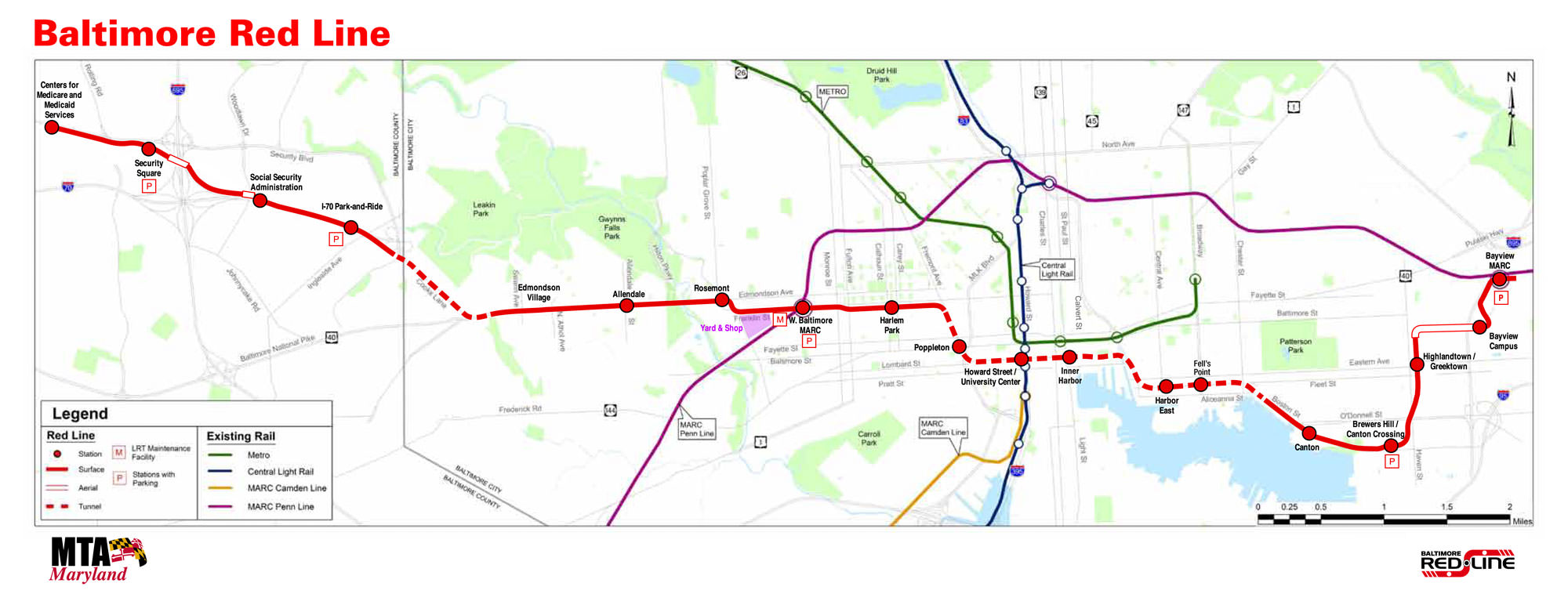
Bikemore is gravely disappointed in Governor Hogan’s decision to not build the Red Line. Hogan's decision is a slap in the face to residents of Baltimore City, 31 percent of which do not own a car, and rely on the City’s insufficient public transportation system to access jobs.

At a time in our history where the results of decades of disinvestment in our urban centers has been made starkly clear, Bikemore finds it unconscionable that a public servant would support more resources to some of the wealthiest zip codes in the country, but keep Maryland residents most in need of improved access to jobs in the cold. Leaving $900 Million in Federal Funding on the table, as well as walking away from decades of state and local resources invested in the planning and engineering of the project proves that Hogan isn’t in service of the public at all.

To those who believe the $2.9 billion plan was too costly, Hogan announced today at the same presser $2 billion in road and bridge projects on state highways, none of which are located within Baltimore City limits.

Bikemore believes that safe, efficient, reliable transportation is a right that all residents of Maryland deserve. To simply say yes to our most wealthy residents, and no to those most in need is wrong, and Hogan must be held accountable. Bikemore rejects political figures who wring their hands at the serious social issues Baltimore is facing, but when presented viable projects that are proven to directly address root causes to economic disparity, simply say “the cost is too high.”

Bikemore will continue to press policy makers to invest in multi-modal transportation solutions that make sense for the residents of Baltimore. In addition, we will continue to advocate for a fully funded, comprehensive, connected bicycle network for Baltimore City and County that will allow residents to safely access jobs, amenities, and schools by bike. With the Red Line now off the table, this need is more immediate than ever. Continuing to allow residents to be cut off from jobs and services--while simultaneously decrying the issues that erupt when they are--is the lowest form of hypocrisy.

We encourage those disappointed by today’s news to contact the Governor's office and express your concern by email, phone or letter.

Bikemore Announces Liz Cornish as Executive Director

After an extensive interview process that included both local and national candidates, Bikemore has named Liz Cornish executive director. She will begin in late May.

Liz Cornish is an experienced nonprofit leader and talented community outreach specialist who believes bikes have the ability to transform people's lives. Liz comes to Bikemore after serving as the first Women Bike Manager at the League of American Bicyclists.

Liz spent the first part of her career working in Outdoor Education. In 2009 she was hired by Outward Bound USA to build an urban experiential education program in Omaha, NE from the ground up. It was in this role that she began to see how cities designed for safer bicycling and walking could potentially address many of the challenges facing her underserved students and their families. She's been advocating for better biking ever since.

The hiring panel consisted of Bikemore Board Members and the Executive Director of Bike Maryland, Nate Evans.

Bike Maryland welcomes Liz Cornish as the executive director of Bikemore, our local partner in Baltimore. Liz’s experience in community bike initiatives will help accelerate Baltimore’s positive trends in bikeability. We look forward to working with Liz in the years to come.
— Nate Evans, Executive Director of Bike Maryland

Greg Hinchliffe, who served as interim executive director during the hiring process, will continue to serve Bikemore under Liz Cornish in an advocacy role and as a member of the Mayor's Bicycle Advisory Commission.

I’ve had the opportunity to meet Liz Cornish and am excited to work with her to make bicycling a safe and convenient transportation choice in Baltimore.
— Jon Laria, Chair of the Mayor's Bicycle Advisory Commission

Liz is relocating to Baltimore from Northern Virginia, and will be introduced to Bikemore's membership base at the annual Bikemore members' meeting May 12th.

Charles Street Reconstruction Community Meeting

Bikemore has been working with the Baltimore City Department of Transportation to improve the design of Charles Street from 29th Street to University Parkway.

The old striping plan removed parking for several lanes of rush hour traffic and included a floating bike lane.

The improved plan provides one lane of vehicular travel, a buffered bike lane, and a lane of full-time parking. This will further calm traffic in a corridor used by many who walk, and will provide a safe bicycle facility as recommended by the recently adopted Bike Master Plan and Homewood Community Partners Initiative.

We anticipate some opposition from individuals who prioritize vehicular travel speeds over the safety of all road users, so please come out to the Community Meeting and support this safer plan for Charles Street.

Facebook Event Link