Bike Lanes

Maryland Avenue Cycle Track Breaks Ground

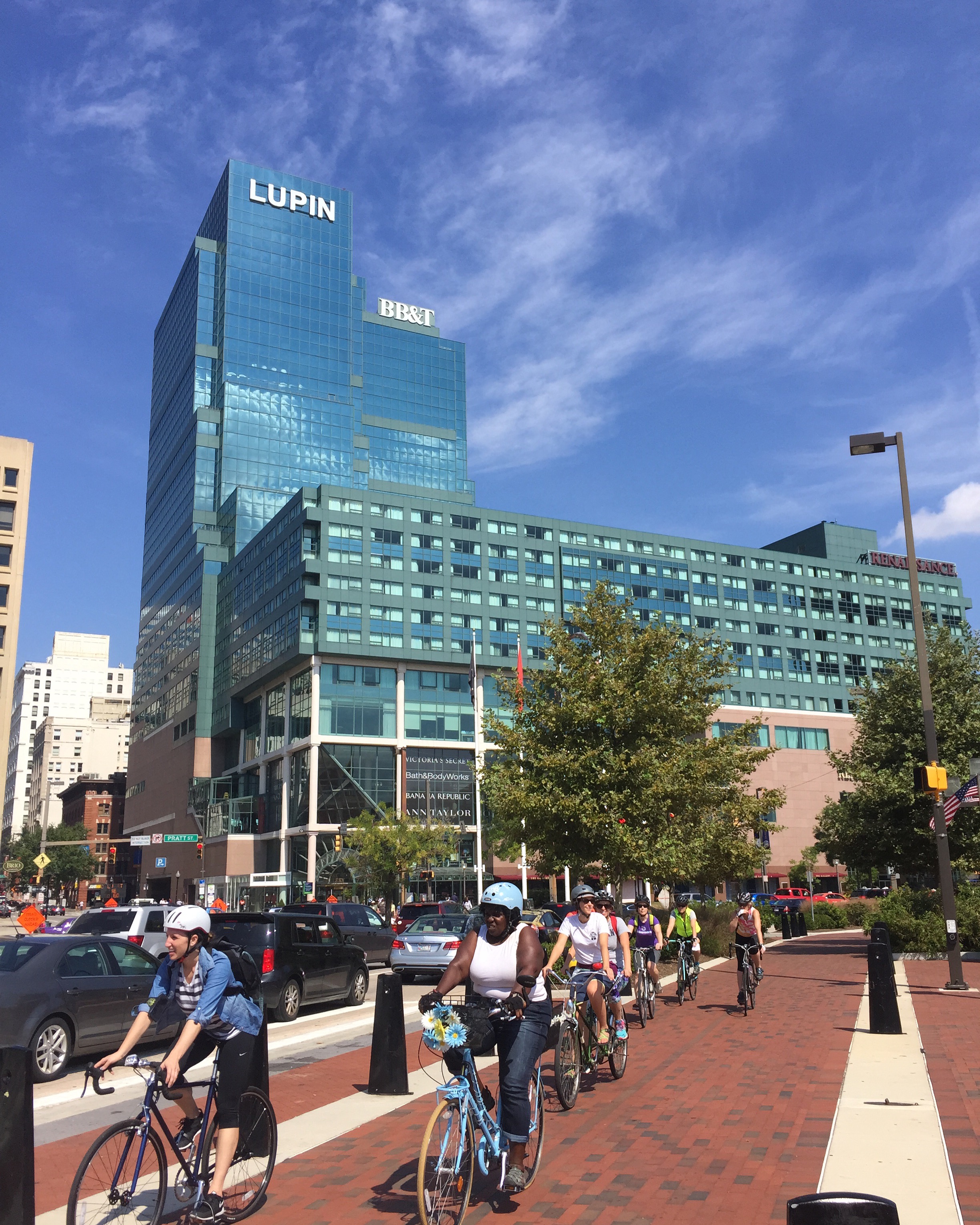
Construction on the Maryland Avenue cycle track began this morning.

We've been as weary of delays as you, so when the notice to proceed was issued early last week, we kept our fingers crossed and our lips sealed. But it's happening, right now.

You may not see much at first, because preliminary work will focus on ADA compliant sidewalk ramps, roadway patching, and grate replacement. But crews will be working block by block to install the cycle track from 29th Street to Pratt Street for the rest of the summer. 

The city has chosen a reputable contractor with has a strong record of completing projects on time, so we hope to be able to ride a completed cycle track when bike share launches this fall. 

Construction will then continue on the Madison and Monument Street cycle tracks and the Preston and Biddle Street standard bicycle lanes, all of which are a part of this Downtown Bicycle Network project.

The city will be hosting an open house on the project at the Baltimore School for the Arts in August. We will announce that date as soon as it is available. In addition to this public meeting, DOT will be hosting pop-up events to explain the project over the next month. The first pop-up is next Tuesday, July 26th, from 8:00 to 9:00am in front of the Bikemore offices at 2209 Maryland Avenue.

One of the reasons we’ve developed Bikemore’s advocacy arm is to ensure projects like this, that have sat shovel ready for years, are no longer held up by bureaucracy or a minority of noisy NIMBYs. 

Thank you for your patience and faith in our advocacy, and please continue to give generously so that we see more victories like this one, and that we see them faster.

Donate to Bikemore

Stop Signs Halt Progress on Guilford Avenue Bike Boulevard

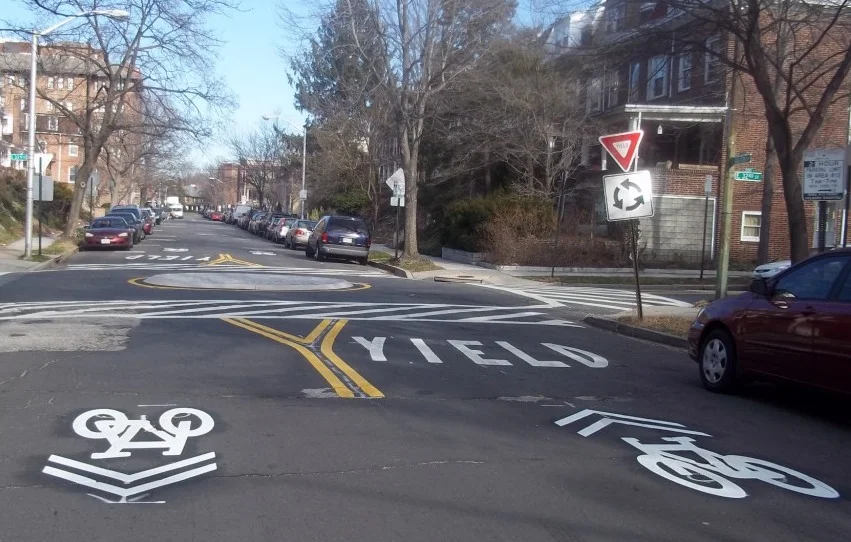
This Saturday Baltimore City DOT will close down 32nd street and Guilford Avenue from 7am to 3pm to remove a debated traffic circle at the busy intersection. Neighbors complained that the small traffic circle did little to slow heavy traffic, and made the intersection unsafe for pedestrians. 

Guilford Avenue received a bike boulevard treatment in 2011. The treatment included traffic circles at various intersections, sharrows, and bike friendly speed humps throughout the avenue from University Parkway to Mt. Royal Avenue. Even in its imperfect state, the low stress route has become a popular and necessary north/south connector for bicyclists, with ridership increasing dramatically on the corridor after installation and growing annually since. There was always talk about adding various improvements, but little was added after the first phase of construction. 

When community meetings were first held in 2010, residents were shown photos of similar traffic calming treatments from around the country. Circles featured vertical treatments like plantings or sculptures. As neighbors began taking ownership of these new public spaces, DOT responded by banning any vertical treatments citing safety issues with emergency vehicles being able to pass through intersections. This policy decision grossly undermined the effectiveness of the circles. 

32nd and Guilford Traffic Circle 

32nd and Guilford Traffic Circle 

A traffic circle in Minneapolis on a similar sized street to Guilford Ave

A traffic circle in Minneapolis on a similar sized street to Guilford Ave

32nd Street leads to a very popular pocket park just East of Guilford Avenue. Pedestrian safety is paramount, as many families in the neighborhood walk through this intersection during the evening rush hour to play in the park. East bound car commuters like to use 32nd Street as a cut-through to avoid waiting on the light cycle at 33rd Street and Greenmount Avenue. 

When several members of the Abell Community Association reached out last summer to get Bikemore's opinion on solutions to the unsafe intersection, we made the following recommendations to DOT: 

  • Remove four parking spots to increase the size of the crosswalks and re-stripe larger crosswalks to improve visibility. 
  • Create vertical elements and reflective signage in the traffic circle so that these visual elements slow traffic. 
  • Create a concrete "channel" or small median leading up to the circle that makes the turning radius narrow and expands the footprint of the circle, again slowing traffic. 
  • Install bike friendly speed humps (humps with small channels for bikes to pass through) leading up to the intersection in all directions. 

Despite DOT staff supporting our recommendations, and working with us to remove the policy that restricted vertical elements in the circle, several neighbors chose to instead advocate for removal of the circle and installation of a four-way stop.

Bikemore attempted to persuade these neighbors to reconsider by offering a small grant to assist with adding plantings to the circle. We have since learned that these neighbors held a meeting in the field last fall with Councilwoman Mary Pat Clarke and Former DOT Director William Johnson, where they demanded removal of the circle and installation of the four-way stop. Councilwoman Clarke was not made aware by these neighbors or Director Johnson that a different treatment was recommended by Bikemore and DOT's traffic and bicycle staff.

While we worked to stay informed about the project through December, communication from DOT eventually dropped off. 

So you can imagine our surprise when a few weeks ago four new stop signs were installed. This countered our recommendations to maintain the spirit of the bike boulevard, while addressing residents' very valid concerns of pedestrian safety and traffic speeds. Furthermore, not being able to review plans and weigh in on changes to one of the city's only decent bike facilities felt like a slap in the face--especially when the direction of this project could have been easily raised in any of the multiple meetings we've had with employees involved since we last spoke about it in December. 

In so many ways 2016 is truly the Year of the Bike in Baltimore. Construction begins on Maryland Avenue and many additional elements of the Downtown Bike Network in late June. Bike Share will launch this fall. The city keeps pursuing--and winning--grant dollars for projects to improve bike connectivity. So why insist as an agency on taking two steps back with each step forward? 

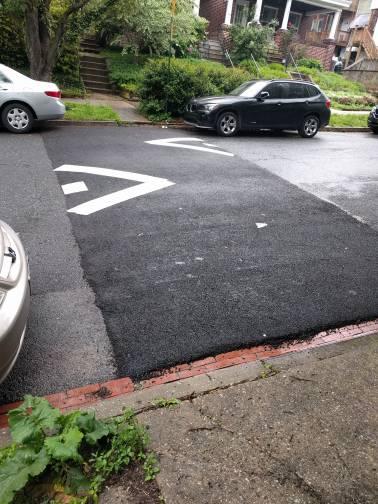
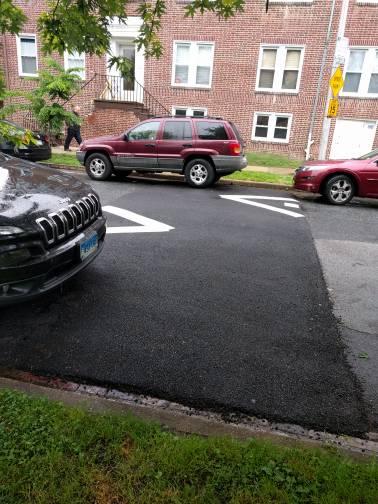
According to an email we received from Councilwoman Clarke, neighbors in the Abell Community advocated for bike friendly speed humps in conjunction with the four way stop, and of course as seen in the photos of the new treatment, standard speed humps were installed. DOT cannot even use their standard excuse of responding to neighborhood pressure, because even the neighbors didn't get exactly what they requested. 

If DOT continues to make decisions that either don't consider neighbors' concerns, or only listen to a vocal minority, decisions that ignore our city's complete street policy, that erode hard won trust between the biking community--which public are they serving? 

This is why it is absolutely critical we begin to codify and enforce transportation policy that prioritizes the safety of human beings over car traffic throughput. It is essential we develop ways our Mayor and City Council can hold DOT employees accountable when they willfully ignore the requests of Baltimore residents.

They made a choice to prioritize four personal car parking spaces over maintaining one of the only comfortable bike facilities in our city, used by hundreds of riders daily. They made a choice to not give the neighborhood the best design available by listening to a vocal minority, and then failed even that vocal minority by not installing the specific facility they requested because of apathy and unwillingness. And because of these choices, those walking through the intersection were not given the best possible solution for improving pedestrian safety. 

Want to let DOT and Councilwoman Mary Pat Clarke know you'd prefer to see improvements to bike infrastructure versus removal? 

Use our handy email tool and say your peace with just a few clicks. 

Bike Improvements Scheduled for Promenade and Potomac Street

A new signage plan for the promenade. Bike traffic was historically restricted but on May 20th the new rules go into effect. 

A new signage plan for the promenade. Bike traffic was historically restricted but on May 20th the new rules go into effect. 

Some big changes are coming to Southeast Baltimore that indicate major improvements connecting those neighborhoods to Downtown. Two projects--opening access along the Promenade for bikes, and the new Potomac Street Cycletrack mean that beginning this Fall it will be possible to bike from Patterson Park to the Inner Harbor or Fed Hill almost entirely on protected facilities. 

Changes to Promenade Access and Upgrades on the Jones Falls Trail

Historically biking was restricted on the Promenade east of President Street. Beginning May 20th (just in time for Bike to Work Day!) new signage will be in place signaling the area is now open for bikes. The new signs will indicated shared bike and pedestrian use, caution bikes to move slowly in areas often congested with pedestrians, and direct people away from the Promenade to the Jones Falls Trail where between the Cheesecake Factory and the Science Center bike traffic will remain prohibited. This expands bike access on the Promenade considerably, and simplifies past rules that were hard for those new to the city to understand and even harder to enforce. 

View the entire plan including samples of new signage here. 

Additionally, the Jones Falls Trail will receive a much needed facelift with the addition of green paint indicating that is a bike facility. The Jones Falls Trail will remain a shared use path, but the addition of the green paint will help indicate to pedestrians and the numerous drivers that like to use it as a place to drop off passengers to respect and expect bike traffic. Paint treatment is scheduled to be completed Late Summer/Early Fall. 

Potomac Street Cycletrack

Beginning this year, construction will begin on the Potomac Street Cycletrack. The two-way parking protected lane will extend from Patterson Park all the way to Boston Street. 

The project will be installed using a phased approach. Temporary materials will be used in Phase I to support quick implementation, followed by a community input session on how the cycletrack should be improved permanently. 

Typical cross section of the new Potomac Street Cycletrack. 

Typical cross section of the new Potomac Street Cycletrack. 

At a community meeting held last month, residents came with excellent questions regarding the new construction. All in attendance were excited about the ability of the cycletrack to calm traffic on this residential street by reducing travel lanes and decreasing crossing distance for pedestrians. 

The project will result in minimal parking loss, most standard at intersections in order to "daylight" cyclists behind park cars. Bike stop signs for north bound bike traffic will be installed at intersections, including signs for East and West Bound vehicle traffic to "Look for Bikes" in both directions for drivers previously used to only looking for southbound traffic. 

Better Protected Networks

These two projects together mean huge improvements in connecting Southeast Baltimore to Downtown. Once both projects are complete it will be possible to travel from Patterson Park to the Inner Harbor entirely on protected or off street facilities. Future improvements include bike signals on Boston Street to improve connections from Boston to the Waterfront and way finding signs directing people to useful (but hidden to those not in the know) Eastern Promenade. 


Bikemore Priorities Update Part I: Maryland Avenue Cycletrack

Early rendering of the Maryland Avenue Cycletrack shown here between 29th and 28th st. Updated designs include flex posts throughout the project. 

Early rendering of the Maryland Avenue Cycletrack shown here between 29th and 28th st. Updated designs include flex posts throughout the project. 

When Bikemore was formed in December of 2011, our board and stakeholders set forth advocacy priorities. These included the Maryland Avenue Cycletrack, Mt. Royal Streetscape Project, and Charm City Bike Share. While there have been many accomplishments along the way, these three priorities have continued to encounter critical challenges that have meant none of these projects have been completed. 

We wanted to start the new year by taking a moment to review and update you on how these priorities continue to fit into our organizational goals. In a three part series released over the next few days, we will discuss where each of these projects stand, and how you--our members--can support our advocacy efforts to see each of these priorities is achieved. 

Part I: Maryland Avenue Cycletrack

Summary

The facility is a two way cycle track on the east side of Maryland Avenue. The length of the facility is 2.6 miles and extends from 29th street to Pratt. The road will be narrowed to one southbound travel lane. Street parking will be retained throughout most of the corridor, and serve as the barrier “protecting” the cycletrack from moving traffic. Flex posts are also included in the design. 

Challenges

  • Funded through state and federal grants, the project has been subject to the State Highway Administration (SHA) Review process. 
  • Challenges in relationships and changing staff at both Baltimore City DOT (BCDOT) and at the Maryland Department of Transportation led to lengthy approval processes at each stage of the design process. 
  • Maryland Avenue became part of a larger project--the Downtown Bicycle Network which includes protected bike lanes on Monument and Madison and conventional bike lanes on Preston and Biddle, which led to further engineering delays as new plans were drawn and ushered through the approval process. 
  • Plans had to be reworked again in order to respond to community push back from the Mt. Vernon Business Association in order to retain hundreds of parking spaces. 
  • In 2015, the project spent most of the year in a back and forth between agencies on ADA compliance at intersections. The facility is now ADA compliant. 

Where the project stands today: 

On December 16th, Bikemore received notification from SHA that plans for the Downtown Bike Network were officially approved and are now back with the city. It is now up to the City to advertise. This is the furthest in the process this project has been, and marks a significant milestone. The city must advertise for a minimum of 21 days before a contract can be awarded. According to our sources at BCDOT, much of the work to prepare the Request for Proposals has been complete. 

It’s our best estimation that if the city moves quickly, they can advertise and award in Feb/March. We believe that given all the delays, we will still be pushing for their estimated March 2016 groundbreaking. The construction will happen in stages, with Maryland Avenue being the first project to break ground. Construction is anticipated to last 90 days. The entire installation for the Downtown Bicycle Network is anticipated to last six months. 

Lessons Learned

Communication between agencies at the city and state level is critical. We are grateful for new leadership at Maryland Department of Transportation and State Highway Administration that seems committed to ensuring that city plans don’t languish unnecessarily in the review stage. Both agencies have been helpful in listening to our concerns about project delays and being proactive in uncovering where the plans were held up in the process. 

But even despite relationship building at the city and state level, both agencies engaged in a level of finger pointing that makes it difficult for us to truly assess where and why the delays occurred. It is our assessment that there are three factors at play that make it so difficult for Baltimore City to move quickly on state and federally funded projects. 

  1. City and State engineers are not “on the same page” when it comes to engineering guidelines for biking facilities. The state has alluded to the city needing to produce stronger plans that would result in fewer revisions, and the city has alluded to the state needing to adopt more flexible design standards. We know from this recent article published by FHWA that this finger pointing is not a problem exclusive to Maryland, but our hope is that through our continued advocacy efforts we can get engineers at the state and local level to see eye to eye on where we can be innovative and flexible in our design choices to produce the safest, best infrastructure for our region. 
  2. Lack of Political Will. When bike projects fall behind schedule, there is not a chorus of public outcry that follows. We’d like to change that. Many current elected officials don’t believe these livable streets projects are a priority of their constituents--so there is little incentive to act. But we found that often a few phone calls and in person meetings were all that it took to remind folks that people were watching and waiting on these projects to move forward. We wonder how much faster projects would move if there was more political leadership on these issues. That is why our advocacy campaign, I Bike, I Vote is so critical to changing the landscape for how and when these types of projects get built. When you have elected leaders that understand the intersectionality between public health, economics, safety and bike lanes, it's much easier to get folks to pick up the phone on your behalf. 
  3. Lack of Accountability. As evident from the recent audit of DOT, it’s clear that while we know there is some great work occurring, we also know that there are few systems of accountability agency wide. Further, we know that because of the City’s procurement process that requires them to go with the lowest bid of a contractor, it nearly guarantees low quality work or excessive and costly change orders to compensate for the ridiculously low bid. We’ve seen this time and time again--facilities that are not installed to specifications that end up reducing the facility’s quality and safety. So the system of who installs and inspects these facilities is broken, and effects so much more than just bike and pedestrian facilities. 

Advocacy Next Steps: 

  • Vote and encourage others to vote. Getting the right political leadership in place this next year will be critical to ensure we don’t take steps backwards. Bikemore will begin releasing candidate’s responses to our questionnaire beginning in February to help inform voters of their choices. 
  • Get involved in your community association. We find that a lot of the community backlash tends to concentrate here. Misinformation, anger over change are all things that can bubble up as projects begin construction. Having people that understand the facts and benefits of bike projects attending those meetings and building relationships with neighbors will go a long way. Not sure what your community association is or when they meet? Use this city website to look it up. 
  • Follow our facebook page to stay up to date on upcoming opportunities to show your support for the Maryland Avenue Cycletrack. 

A year from now, biking in Baltimore is going to look and feel very different. Now is the time to continue to grow support for biking to make sure that these new facilities we fought so hard for are installed correctly, and not undermined by community backlash. 

Tomorrow: Mt. Royal Streetscape Project 

Bikemore 2015: A Year in Review

2015.jpg

This year was an incredibly important year for bikes in Baltimore. From memorializing the life of Tom Palermo to galvanizing people who bike to get to the polls through the launch of our I Bike, I Vote initiative, our members have turned out in ways that leave no doubt that we are growing as a movement--that bikes and Baltimore fit together a little better than the year before.  As 2015 comes to a close, let's look back on all that we've accomplished together! Want to help us grow and do bigger and better things in 2016? Consider a year end gift. Together, we are building a force for biking in Baltimore! 

And now our year in review...

 Memorial Ride for Tom Palermo 

2015 began on a somber note. On January 1st, hundreds of bicyclists gathered to pay tribute to Tom Palermo. His death was tragic, and he will be forever missed. But his passing also deepened the resolve of those in the bicycling community to work harder to ensure another family doesn't have to suffer the same immense loss. 

 
Hundreds of people on bikes gather to pay tribute to Tom Palermo. Photo Credit: Baltimore Sun

Hundreds of people on bikes gather to pay tribute to Tom Palermo. Photo Credit: Baltimore Sun


Baltimore City Adopts Bicycling Master Plan 

The long overdue update of our city's bicycle master plan solidified Baltimore City's commitment to growing a bicycle network. And while our work has just begun to ensure this is a plan that doesn't simply exist on paper--but is implemented--this was a critical first step in mapping out the city's future as one where all modes are considered on our roadways. 

Mayor Signs Executive Order Forming Bicycle Advisory Commission

The Mayor's Executive order breathed life into a dormant committee by drawing on talent from the private and public sector to ensure the Bike Master Plan comes to fruition. Bikemore has been a part of the commission since its creation in March, and has been able to see firsthand the dedication of these commission members as they work to ensure the city better coordinates agency efforts and allocates proper funding for future projects. 

Hired a New Executive Director    

After an extensive national search, Bikemore hired Liz Cornish to lead Bikemore in its next phase of growth. Cornish came to Bikemore after working on national advocacy issues at the League of American Bicyclists. 


Community Bike Rides 

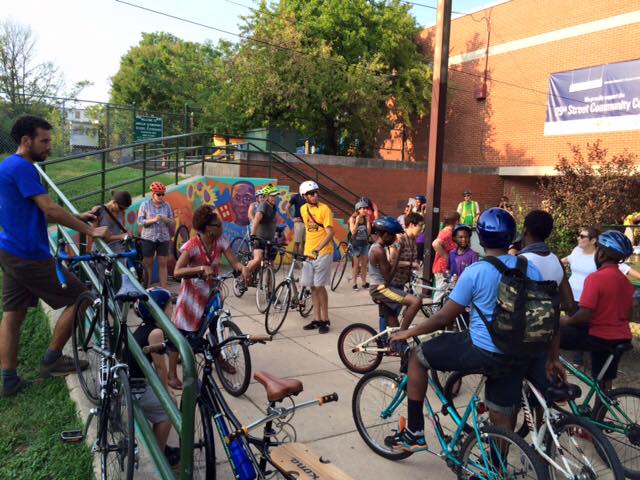
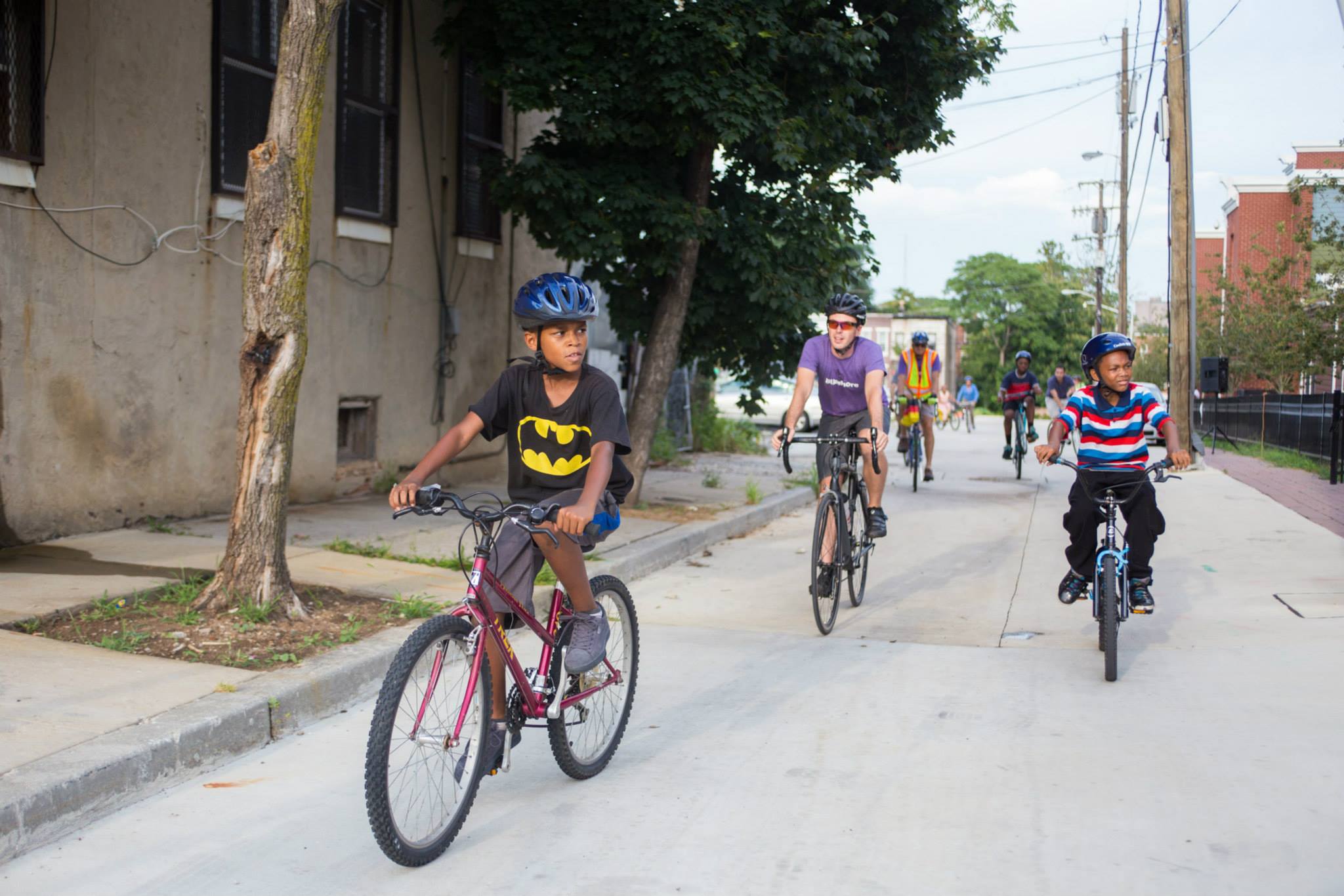
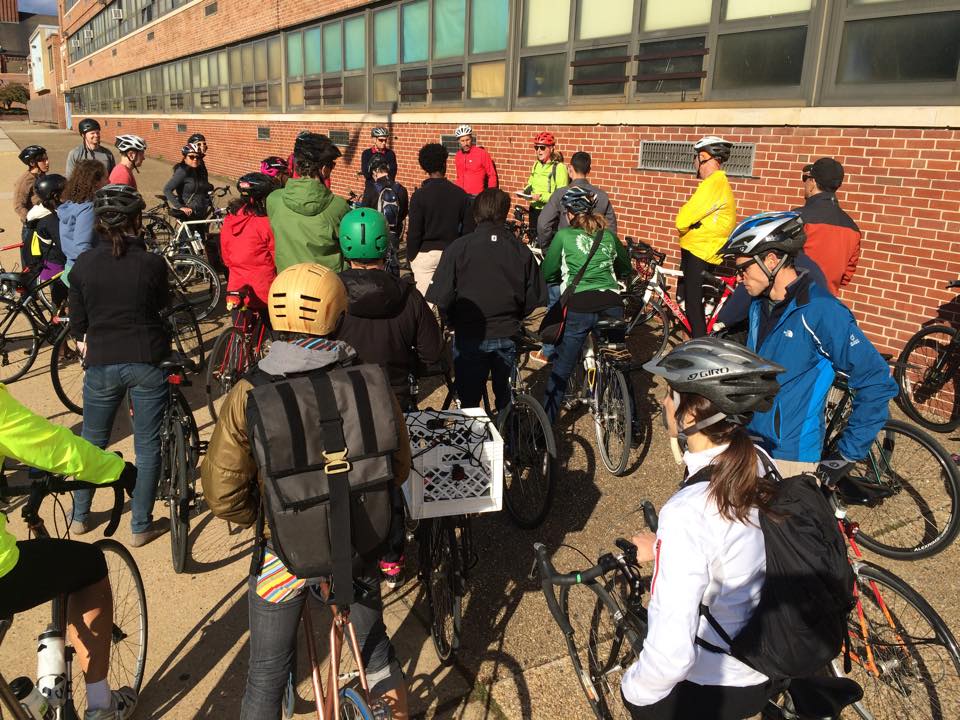
We upped our game when it came to providing programs that brought people together to share in their love of bikes. We hosted five new community rides that hosted over 200 participants. We hosted rides with the 29th St. and North Barclay Green Community Centers that brought youth and adults together, we hosted women from D.C. as they rode the MARC bike train to explore Baltimore with other ladies who ride, we toured architectural sites by hosting a ride for Doors Open, and partnered with Brewer's Art to host the Future of Biking in Baltimore ride that explored all the places slated to get improvements in 2016-2017. We know that group rides are a great way to introduce folks to urban riding, and build community among existing riders. We look forward to planning more rides in 2016! 

Charles Street Complete Street 

Photo Credit: Baltimore Sun

Photo Credit: Baltimore Sun

October saw the long awaited completion of the Charles Street "complete street" construction. The project created much needed pedestrian improvements, traffic calming, and the addition of buffered bike lanes. Charles Street is now much safer for all road users, and we hope this public-private partnership to create livable streets can become a model that is replicated elsewhere in the city to spur safer street projects. 

I Bike, I Vote Kick Off 

On November 8th, 2015 we threw a party to share our platform for the 2016 election. Our goal was to get people stoked on connecting their transportation and recreation choice--biking to voting. The event exceeded our wildest expectations. We had 5 Mayoral Candidates, 16 Council Candidates and over 200 constituents attend our rally to get out the bike vote. In the coming year, we have more opportunities to engage in the upcoming election and educate voters about where each candidate stands on creating a more bikable, walkable Baltimore. 

Baltimore's First Annual Cranksgiving

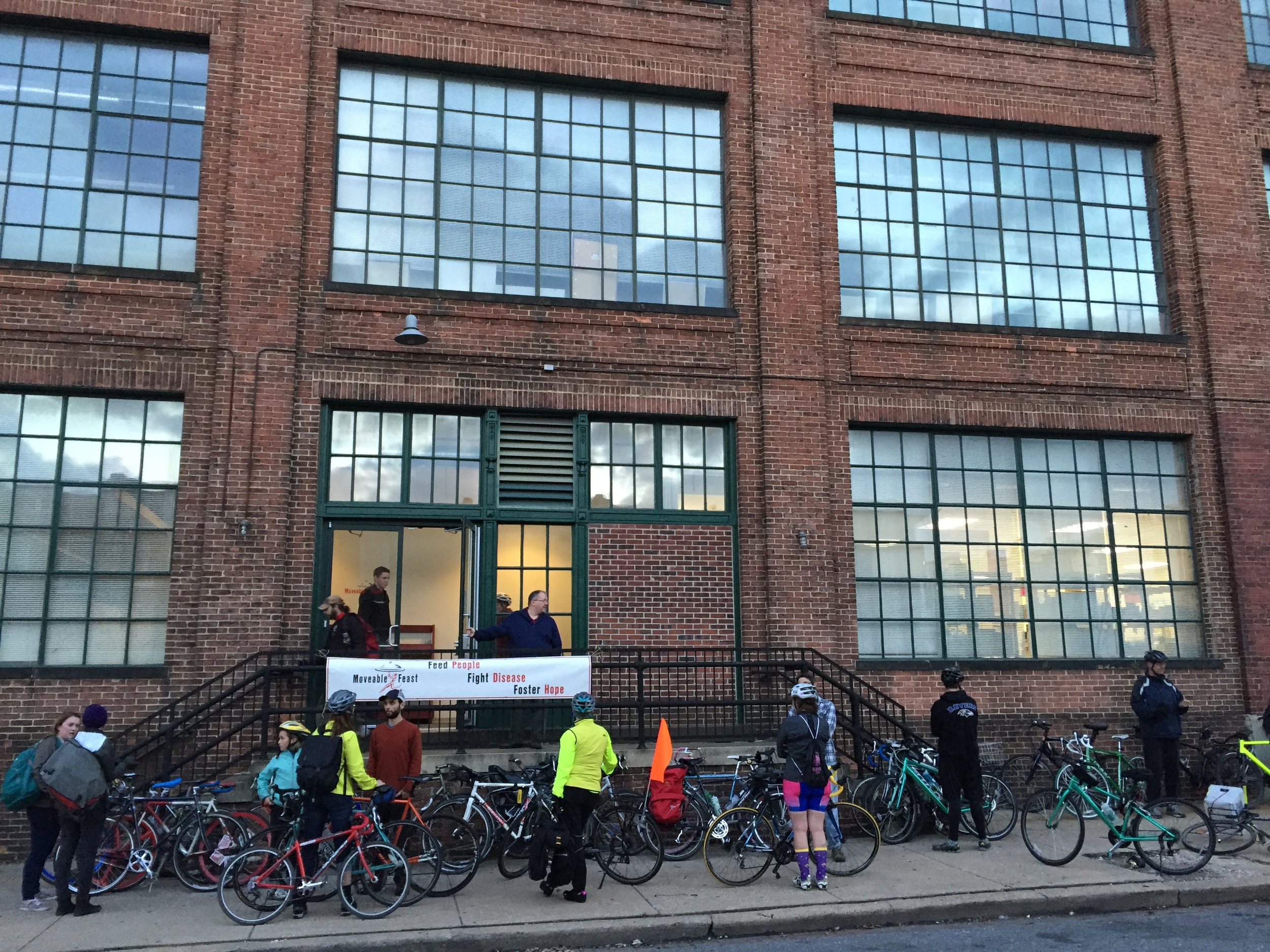
We hosted over 80 riders, who went on a scavenger hunt to procure $1000s in groceries to donate to Moveable Feast. We had a ton of fun, and learned a lot about how to grow and strengthen this new bikey holiday tradition. Can't wait for next year to be even bigger and even better! 


Transform Baltimore 

Sometimes fighting for livable streets means getting a little wonky and organizing against policies that don't directly relate to biking, but facilitate a way of thinking about growth that undermines the creation of bikeable places. Our new zoning code has been awaiting City Council adoption for years. Just when we are getting close to the finally adopting a form based code that will ensure that all neighborhoods are developed in a way that considers things like walkability, historic preservation, and safety, the Council began voting on hundreds of amendments at a rapid pace. Thanks to your support, we were able to mobilize dozens of Bikemore members to send emails to the transportation and land use committee and ensure that the amendments most harmful to livable streets were opposed. 

Roland Avenue Cycletrack

Christmas came early with the installation of the Roland Avenue Cycletrack. This two mile stretch of parking protected bike lane taught us a lot of lessons.  First, in what took only 14 months from project concept to completion--it showed the value of local dollars in speeding up the implementation of new bike facilities. To our chagrin, it lapped the installation of the Maryland Avenue Cycletrack--which spent the entire year under State Highway review due to use of Federal funds. So while this facility had some challenges in design and community support, as Baltimore's first parking protected bike lane, we decided it was important to throw our support behind the project and ensure its installation. As the Roland Park community and city continue to work out the kinks in terms of parking compliance, maintenance, and signage, the result is a beautiful reminder of what a complete street in Baltimore can look like. Change is hard, and we knew wherever the first facility of this kind was installed we would face some opposition. But seeing BCDOT's commitment to the project despite some divisive community opposition gives us hope that whatever opposition future projects face, we have turned a corner in terms of the city leading on complete street issues. And that is cause for celebration. 


Thank you for helping us build a force for biking in Baltimore in 2015!